Diesel and no-start work
Scan, test, then wrench. Fuel issues, sensors, batteries, starters. Guessing is expensive and we do not bill for guesses.
Tulsa sits on the crossroads of I-44, US-412, and two turnpikes that do not forgive a breakdown. When a truck quits out there, or in a yard off 11th Street, or in the queue at the Port of Catoosa, Tulsa Mobile Truck Mechanic sends the repair to the truck. You make one call, describe the problem, and a technician heads out with the parts that match the story.
That is the entire pitch. No shop queue, no shuttle rides, no afternoon lost to a waiting room television. The truck gets fixed where the truck already is, and you get your route back.
What is it doing, where does it sit, is it loaded, can it move safely. Those four answers decide the parts that ride out. A fifth question, what changed before it broke, solves more diagnostics than any tool in the truck.
You also get the no-nonsense verdict early. Roadside fix, yard fix, or shop job. If it needs a bay we say so on the phone, and you have saved a service call and an afternoon.
Scan, test, then wrench. Fuel issues, sensors, batteries, starters. Guessing is expensive and we do not bill for guesses.
Leak-downs chased, chambers and valves replaced, adjusters set. Turnpike grades are no place to discover a soft pedal.
Blowout changeouts and repairs where the casing allows, torqued to spec, duals checked as a pair.
Lights, plugs, ABS circuits, gladhands, lines. Pre-trip failures fixed before they become roadside failures.
Overheats, leaks, belts, alternators. Oklahoma summer finds every weak hose by August, and we find it first when fleets let us.
Grouped PMs and inspections at your lot. One visit, several units, fewer surprises on the turnpike later.
The Turner and Will Rogers turnpikes produce our most urgent work, because a dead truck between exits is a bad place to be and the toll clock keeps running. Closer in it is the industrial east side, the refinery corridor on the west bank, the Port of Catoosa, and the distribution yards strung along 169 and the Broken Arrow Expressway.
Oklahoma weather does its part. Summer cooks batteries and tires. Ice storms take out the power and then the parking lots fill with trucks that would not start when it came back. We stock for both seasons because both seasons pay our bills.
The best callers give us four things and a photo. It saves a return trip carrying the part we would have brought the first time.
Fleet dispatchers around the port and the east side yards call us because the verdict comes fast: fixed and released, fixed with a follow-up flagged, or shop-bound with the diagnostic already done. Owner-operators get the identical treatment, because a one-truck operation has even less room for a wrong guess.
Standing yard visits get unit-by-unit notes. When number 14 eats its third set of batteries, we start asking what is draining them instead of selling you a fourth.
Yes. We coordinate with the service authority when the location requires it, and we tell you honestly whether your spot is workable or needs a short tow to the next exit.
It is a regular run for us. Call with the terminal and gate details and we will give you an arrival window based on where our truck actually is.
Every time one hits. Batteries, gelled fuel, frozen air systems. After a bad one we triage by fleet, so tell us how many units are down and we will plan the visit order with you.
On the phone, before we roll, whenever the symptoms make it clear. A wasted service call helps nobody and costs you twice.
Freight runs weekends, so we do too. Same number, same triage.
All three, plus the yards along 169 and the port. Metro Tulsa is one service area to us, turnpike included.
Card at the truck, fleet billing for account customers, and a clear total before the work starts. No surprise line items after the fact.
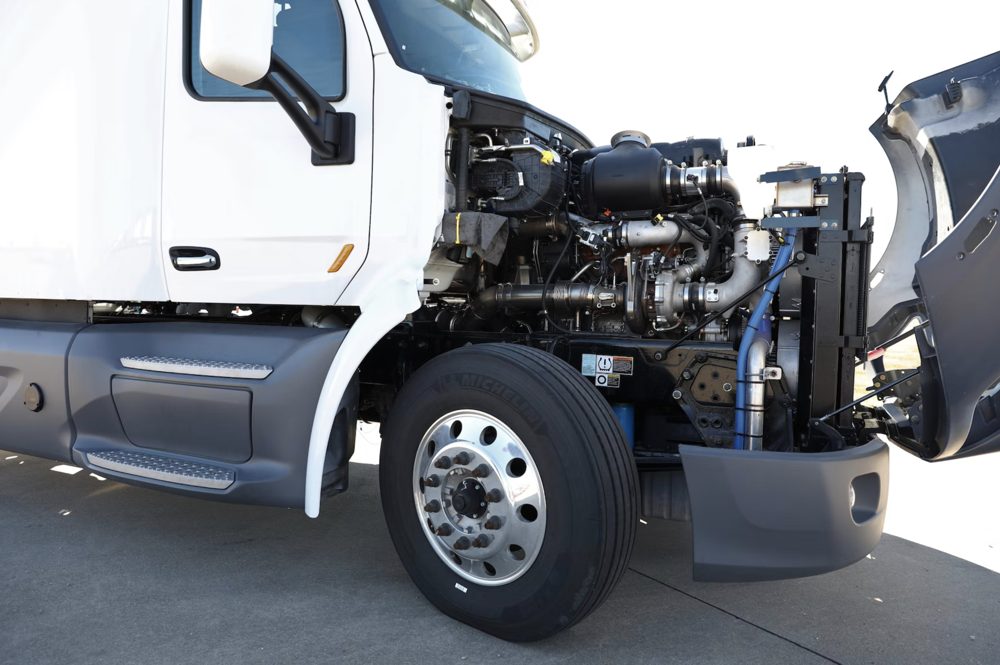
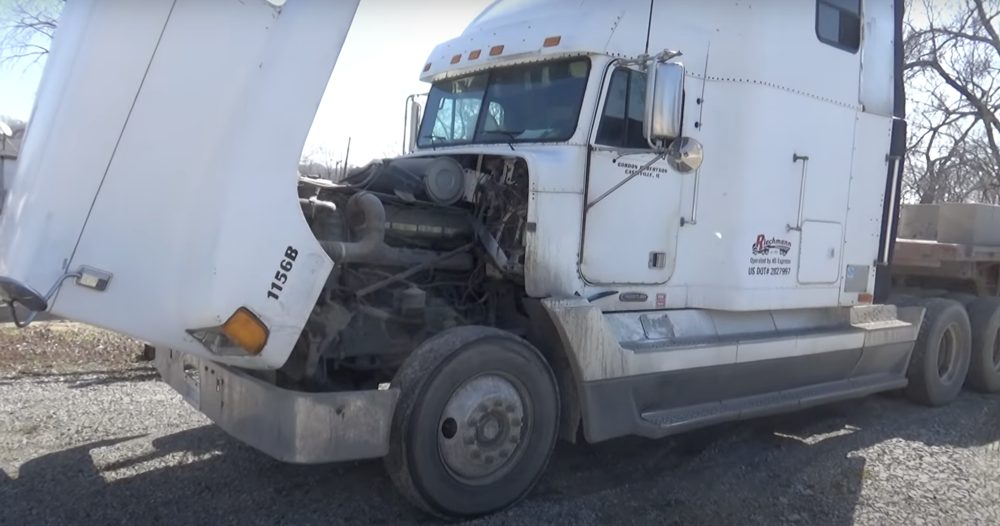
Heat calls and ice calls bracket the year. July blowouts cluster in the afternoon, when pavement temps peak and any tire with a bruise gives up. Ice storm mornings produce no-start waves, and the smart fleets call once with a unit list instead of six times with one truck each. Between the extremes it is the usual traffic of air leaks, lighting faults, and derates that picked a bad mile to speak up.
The turnpikes deserve respect. Shoulder work between exits has rules, and sometimes the right answer is a short controlled move to the next ramp before anyone opens a toolbox. When that is the case we say it plainly and help you arrange it, because a saved half hour is not worth a stupid risk.
Mobile service is not magic. It is a well-stocked truck, a technician who diagnoses before touching parts, and the judgment to know which jobs belong to a bay. What it saves you is the tow, the shuttle, and the days a shop queue quietly adds to every small job. A battery, an air leak, a lighting fault, a tire: those are hours where the truck sits, not days where it disappears.
What it will not do is rebuild your engine in a parking lot, and anyone who promises that from a service truck is about to teach you an expensive lesson. We would rather keep the phone honest and the work boring. Boring repairs hold.
Inspection blitzes are announced, which means failing one is a planning error. Ahead of the calendar we sweep fleets for the classics: brake adjustment, lighting, air leaks, tires below tolerance, and the paperwork lights on the dash. A yard afternoon in May is cheaper than an out-of-service order on the Will Rogers in June, and both of us know which one the driver prefers.
Owner-operators get the same sweep scaled to one truck. An hour of checks, a short list of what needs attention, and no lecture. Your truck, your money, your call. We just make sure the call is informed, and that nothing on that list surprises you twice.
Breakdowns on the Turner and Will Rogers have their own rules and we follow them without being asked. Coordination with the turnpike authority when the spot requires it, cones and lights that treat passing traffic as the hazard it is, and zero heroics between exits. When the safe move is a short escort or a tow to the next ramp, we say it in the first phone call, because a repair that endangers the driver is not a service, it is a liability with an invoice.
Port of Catoosa freight and west-bank refinery traffic run equipment hard on schedules with no slack. For those yards we lean on prevention: charging systems checked before summer, coolant systems before the heat peaks, and the trailer fleet swept for lighting and air faults before audit season. The emergency number still works at 3 a.m., but the goal is to make you need it less.
Exit number, yard address, or the nearest mile marker. What it is doing and whether it is loaded. That is the whole conversation, and it ends with a technician on the way.